Vedic astrology consultations, readings and remedies

Solah Shringar: The 16 Bridal Adornments & Their Science (सोलह शृंगार का महत्व और वैज्ञानिक कारण)
 AstroAnanta Team5 Min Read584
Key Takeaway
'Solah Shringar' refers to the 16 traditional adornments worn by married Hindu women to bring luck, prosperity, and long life to their husbands. However, it also has profound scientific benefits. For example, Sindoor controls body temperature and blood pressure; Bichiya (toe rings) regulate the uterus and menstrual cycle through acupressure; and silver Payals (anklets) strengthen bones and ward off negative energy. Every item, from Bindi to Mangalsutra, is designed to enhance a woman's physical and mental well- being.
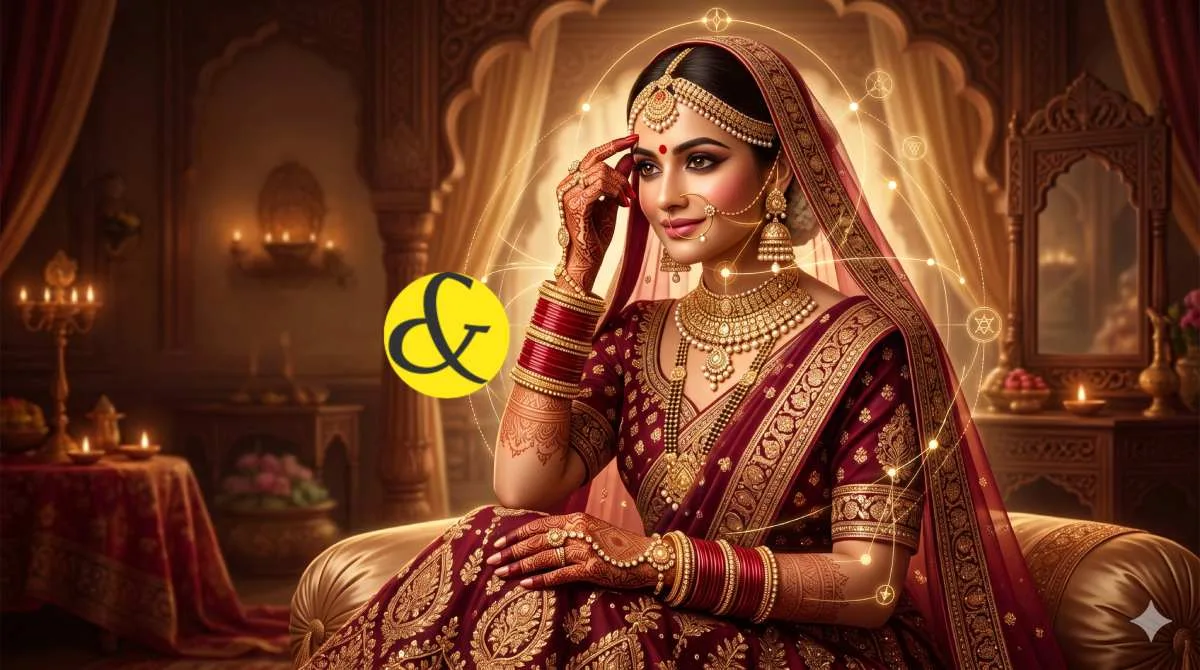
❤️ The Science of Solah Shringar
सोलह शृंगार का धार्मिक और वैज्ञानिक महत्व — Discover why the 16 bridal adornments in Hinduism are not just for beauty, but for profound health and psychological benefits.
👑 1. Head & Face (माथा और चेहरा)
Red Attire (लाल रंग का जोड़ा)
The color red is considered highly auspicious and is a symbol of love and Mata Rani. Hence, brides wear red on their wedding day.
🔬 Scientific Reason:
Red is a powerful color that controls emotions, provides mental stability, and highly increases focus and concentration.
Kumkum Bindi (कुमकुम बिंदी)
Placed between the eyebrows, the Bindi is an essential part of a married woman's makeup, signifying marital status and spiritual awakening.
🔬 Scientific Reason:
Applying a Bindi activates the Agna Chakra (Third Eye). Pressing this acupressure point retains energy, relieves headaches, and improves concentration.
Sindoor (सिंदूर)
Applied in the parting of the hair, Sindoor is the ultimate symbol of 'Suhag' and is believed to grant a long life to the husband.
🔬 Scientific Reason:
Traditional Sindoor is prepared with turmeric and mercury. Mercury helps control blood pressure, regulates body temperature, and keeps the mind cool and calm.
Maang Tikka (मांग टीका)
Worn on the center of the forehead, it signifies that the bride will walk a straight, righteous path in her married life.
🔬 Scientific Reason:
It rests on the center of the forehead, helping to control body heat and enhancing the woman's decision-making and cognitive abilities.
Nath / Nose Ring (नथ)
A nose ring or stud is a vital symbol of marriage and adds incredible beauty to the bride's face.
🔬 Scientific Reason:
According to Ayurveda, piercing the left nostril connects to nerves associated with the female reproductive organs. It helps reduce menstrual cramps and makes childbirth less painful.
Kajal (काजल)
Kajal enhances the beauty of the eyes and is believed to protect the bride and her family from the 'evil eye' (बुरी नज़र).
🔬 Scientific Reason:
Natural Kajal cools the eyes and protects them from harsh sun rays, dust, and harmful airborne particles.
Earrings / Jhumkas (झुमके)
Earrings beautifully frame the face. Traditionally, they remind the bride to stay away from gossip and bad words regarding her in-laws.
🔬 Scientific Reason:
The earlobes hold vital acupressure points. Piercing and wearing heavy earrings applies constant pressure, which regulates the menstrual cycle and keeps kidneys/bladder healthy.
👐 2. Hands & Arms (हाथ और बाजू)
Mehndi (मेहंदी)
It is believed that the darker the color of the Mehndi, the deeper the love of the husband and mother-in-law.
🔬 Scientific Reason:
Wedding preparations are highly stressful. The natural cooling properties of Mehndi calm the nervous system, prevent stress-induced headaches, and keep the bride energetic.
Bangles (चूड़ियां)
A married woman's wrists should never be empty. Bangles represent luck, prosperity, and marital bliss.
🔬 Scientific Reason:
The constant friction of bangles against the wrist increases blood circulation. Furthermore, the acoustic sound (ध्वनि) of glass bangles strengthens bones and clears negative energy.
Bajuband / Armlet (बाजूबंद)
Worn tightly on the upper arm, it is believed to protect the family's wealth and assets.
🔬 Scientific Reason:
By applying a gentle, constant pressure on the upper arm, the Bajuband aids in healthy blood circulation throughout the body.
Rings (अंगूठी)
Worn on the third finger of the left hand, the ring symbolizes mutual love, trust, and a lifelong commitment.
🔬 Scientific Reason:
The nerve of the ring finger (Anamika) is directly connected to the heart and brain. Pressing this nerve via a ring keeps the heart healthy and emotions balanced.
🥻 3. Torso & Feet (धड़ और पैर)
Mangalsutra (मंगलसूत्र)
The most sacred ornament of a married woman. It acts as a protective shield for her husband's life and her marital happiness.
🔬 Scientific Reason:
Made of pure gold and black beads, the Mangalsutra rests near the heart. Gold enhances body vigor and vitality (ओज), while black beads absorb negative vibrations.
Gajra (गजरा)
Jasmine (Mogra) flowers in the hair bring happiness and represent the divine blessings of Maa Durga.
🔬 Scientific Reason:
The sweet, strong fragrance of Jasmine acts as a natural aromatherapy. It instantly relieves stress, boosts mood, and acts as a mild aphrodisiac.
Kamarband / Waistband (कमरबंद)
Worn around the waist, it symbolizes that the bride is now the queen and caretaker of her new home.
🔬 Scientific Reason:
Wearing a heavy silver Kamarband prevents the accumulation of belly fat. It also relieves pain associated with menstruation and pregnancy.
Payal / Anklets (पायल)
Anklets enhance the beauty of the feet and traditionally announced the graceful arrival of the daughter-in-law in the house.
🔬 Scientific Reason:
Silver reacts well with the earth's energy. Wearing silver Payals provides relief from bone and joint pain. The chiming sound wards off negative energy from the house.
Bichiya / Toe Rings (बिछिया)
Worn on the three middle toes, it is a promise that the bride will face all future problems with immense courage.
🔬 Scientific Reason:
The nerves in the toes are connected to the uterus and heart. Silver toe rings regulate blood pressure and ensure a healthy uterus and menstrual cycle through acupressure.
Frequently Asked Questions
Shardiya Navratri 2026: कलश स्थापना मुहूर्त 11:50–12:37 व गज वाहन का शुभ संयोग
Read Now →
Why Your Kundli on AstroAnanta Is Different — Built on Real Calculations, Not Guesswork
Read Now →
Education and Astrology: Predicting Studies via the 5th House (शिक्षा और कुंडली का पंचम भाव)
Read Now →