Vedic astrology consultations, readings and remedies

Amalaki Ekadashi 2026: Date, Parana Time, Panchang & Amla Tree Puja Vidhi
 AstroAnanta Team4 Min Read425
Key Takeaway
When is Amalaki Ekadashi in 2026? Amalaki Ekadashi falls on Saturday, February 28, 2026. It is observed during the Shukla Paksha of the Phalguna month. • Significance: Lord Vishnu is worshipped under the Amla (Gooseberry) tree. It is believed that Brahma, Vishnu, and Shiva reside in this tree. • Parana Time: The fast must be broken on the next day, March 1, 2026, between 06:45 AM and 09:00 AM. • Key Ritual: Offering Amla to Lord Vishnu and consuming Amla as Prasad.
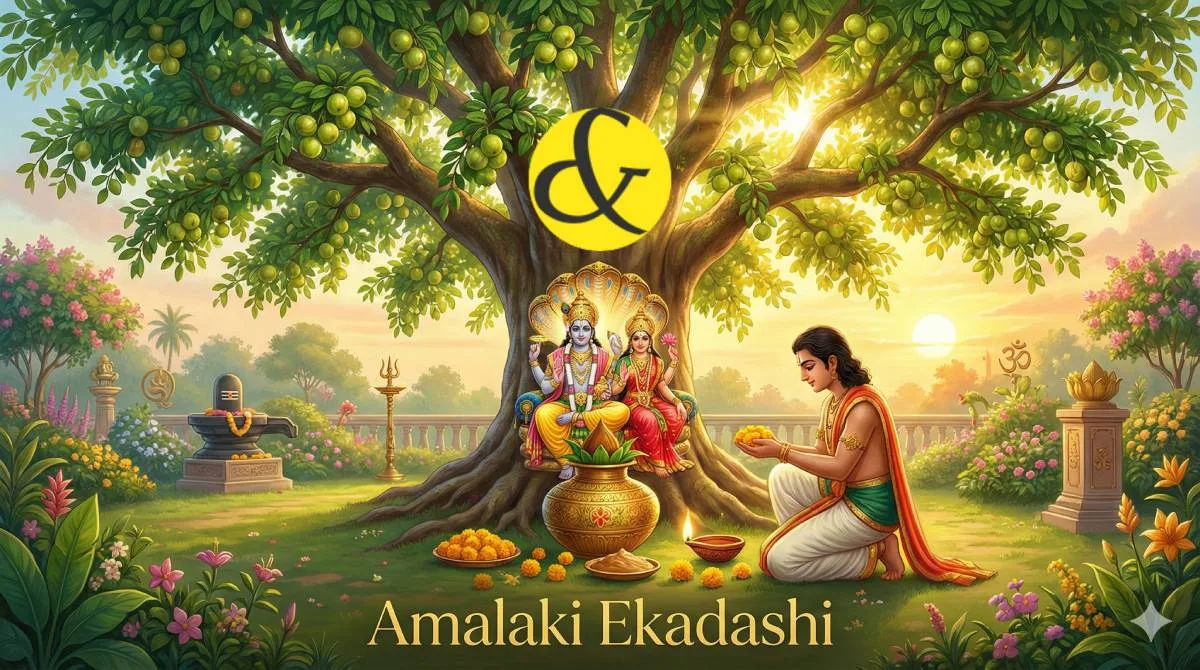
Falling between Maha Shivaratri and Holi, Amalaki Ekadashi holds immense spiritual and Ayurvedic significance. According to the Padma Purana, Lord Brahma manifested from Lord Vishnu's navel, and the Amla tree manifested from Lord Vishnu's tears. Therefore, the Amla tree is considered the abode of all Gods. Fasting on this day yields the merit of donating 1000 cows.
आमलकी एकादशी का व्रत करने से सौ तीर्थों के दर्शन और हजार गौदान के बराबर फल मिलता है।(Dwadashi ends at 07:15 PM on March 1st).
Wake up in the Brahma Muhurat. Add a little Amla juice to your bathing water. Take a vow (Sankalp) for the fast.
Go to an Amla tree. Clean the surrounding area. Establish a Kalash at the base of the tree and place an idol of Lord Vishnu/Parashurama on it.
Offer yellow sandalwood, Kumkum, yellow flowers, and incense. It is mandatory to offer Amla fruit as Naivedya (Bhog) to the Lord.
Perform 7 or 108 Parikramas (circumambulation) of the Amla tree with a raw cotton thread. Conclude with Aarti and distribute Amla Prasad.
📜 Amalaki Ekadashi Vrat Katha
According to ancient texts, there was a prosperous kingdom ruled by King Chaitraratha, a great devotee of Lord Vishnu. In his kingdom, everyone strictly observed the Ekadashi fasts.
Once, on Amalaki Ekadashi, the King, along with his subjects, was performing the night vigil (Jagran) and Puja at a temple near an Amla tree. A hungry and sinful hunter arrived there. Despite his evil nature, he stayed awake the entire night, watching the beautiful devotion and listening to the prayers, while waiting for food.
The next morning, the hunter went home, ate, and eventually died some days later. Because he unknowingly observed the Amalaki Ekadashi Jagran and fast, all his sins were washed away. In his next birth, he was reborn as King Vasuratha—a powerful, righteous, and wealthy king.
Moral: Even if observed unknowingly, the Amalaki Ekadashi fast destroys all sins and grants Moksha (Salvation).
फाल्गुन मास के शुक्ल पक्ष की एकादशी को आमलकी एकादशी, आंवला एकादशी और रंगभरी एकादशी के नाम से जाना जाता है। धार्मिक मान्यता है कि आंवले के पेड़ में भगवान श्री हरि विष्णु का वास होता है। इस दिन आंवले की पूजा और उसका सेवन करना अत्यंत लाभकारी है।
काशी (वाराणसी) में इस दिन से होली का पवित्र आरंभ हो जाता है, जिसके कारण इसे रंगभरी एकादशी कहा जाता है। इस दिन व्रत रखकर विधिवत पूजा करने से हर दुख-दर्द दूर होते हैं, आयु बढ़ती है और मोक्ष की प्राप्ति होती है।
(नोट: द्वादशी तिथि 27 फरवरी की रात 10:32 बजे ही आरंभ हो जाएगी।)
इस वर्ष एकादशी के दिन तीन अत्यंत शुभ संयोग बन रहे हैं, जिनमें पूजा करने से कई गुना अधिक फलों की प्राप्ति होगी:
-
संकल्प और स्नान: प्रातःकाल ब्रह्म मुहूर्त में उठकर स्नान करें। स्वच्छ और सादे वस्त्र धारण करें। भगवान विष्णु का ध्यान करते हुए व्रत का संकल्प लें।
-
अभिषेक और श्रृंगार: सबसे पहले श्रीहरि का पवित्र जल और पंचामृत से अभिषेक करें। उन्हें पुष्प, माला, पीला चंदन, अक्षत और सुगंध (गंध) अर्पित करें।
-
आंवला और नैवेद्य: भगवान को फल, मिठाई, तुलसी दल और विशेष रूप से आंवला (Amla) समर्पित करें। आंवले के वृक्ष की पूजा करना इस दिन अत्यंत पुण्यकारी है।
-
मंत्र और आरती: घी का दीपक जलाएं और धूप प्रज्वलित करें। श्रद्धा भाव से विष्णु मंत्र, विष्णु चालीसा तथा एकादशी व्रत कथा का पाठ करें। अंत में क्षमा प्रार्थना करें।
-
पारण (व्रत खोलना): पूरे दिन नियम और श्रद्धा के साथ व्रत का पालन करें। अगले दिन (28 फरवरी) प्रातः स्नान करके पुनः भगवान विष्णु की पूजा करें और शुभ मुहूर्त में व्रत का पारण करें।
Frequently Asked Questions

Apara Ekadashi 2026: Vrat Katha, Puja Vidhi & Significance
Read Now →
Shardiya Navratri 2026: कलश स्थापना मुहूर्त 11:50–12:37 व गज वाहन का शुभ संयोग
Read Now →
Why Your Kundli on AstroAnanta Is Different — Built on Real Calculations, Not Guesswork
Read Now →